
Need a Business Address? Virtual Office vs. Professional Luxury

The concept of the
workplace has changed forever. In 2026, the question for most business owners is no longer about which floor of a building to lease, but rather how to establish a professional footprint without being tied to a single physical desk. This brings us to a fundamental debate in the modern entrepreneurial world: is a
virtual office a want or a need? The reality is that it is often both, and the distinction usually depends on where a company is in its lifecycle and what its specific goals are.
For some, the
Manhattan virtual office starts as a want. This is the branding side of the equation. When a consultant or a creative agency is looking to attract high-value clients, the address on their website or their digital profile acts as a silent partner in their marketing. An address in a prestigious area signals stability and success. It suggests that the company has the resources to operate in a top-tier market. In industries where trust is the primary currency, like legal services or high-end financial consulting, appearing established is not just vanity; it is a tactical choice to help build credibility and win competitive contracts.
Even though many people wonder if traditional business cards are still a thing, the reality is that the address you share—whether through a digital card, an NFC tap, or a QR code—still carries immense weight. Whether a contact saves your information from a mobile app at a conference or scans a code on their phone, the presence of a professional commercial address instead of a residential one can prevent the subconscious bias that sometimes follows home-based businesses. This is the classic example of a want: a strategic move to level the playing field against larger competitors by using a virtual office to project a high-end image.
However, for many other business owners, a 'Manhattan virtual office' quickly shifts from a professional luxury to an absolute operational need. This shift usually happens the moment a founder looks into the requirements for
registering an LLC or a corporation. Many jurisdictions may require a physical street address for official filings. Using a home address for this purpose can be a significant privacy risk. Once an address is listed on articles of organization, it often becomes a public record that is easily indexed by search engines. For a business owner with a family, keeping their personal residence off the internet is a primary safety consideration. A virtual office can provide that necessary firewall, ensuring that business correspondence and legal notices are directed to a commercial location rather than a private home.
The need for a virtual office also extends into the financial and regulatory side of running a company. Under current banking regulations, financial institutions are increasingly strict about the addresses used to open business accounts. A P.O. Box is frequently rejected because it may not represent a physical location where a business can be verified. To open a merchant account or register for an Employer Identification Number with the IRS, a legitimate street address is often a hard requirement. In these cases, a virtual office can be an effective way to meet these institutional standards without taking on the massive overhead of a traditional office lease.
Logistically, a
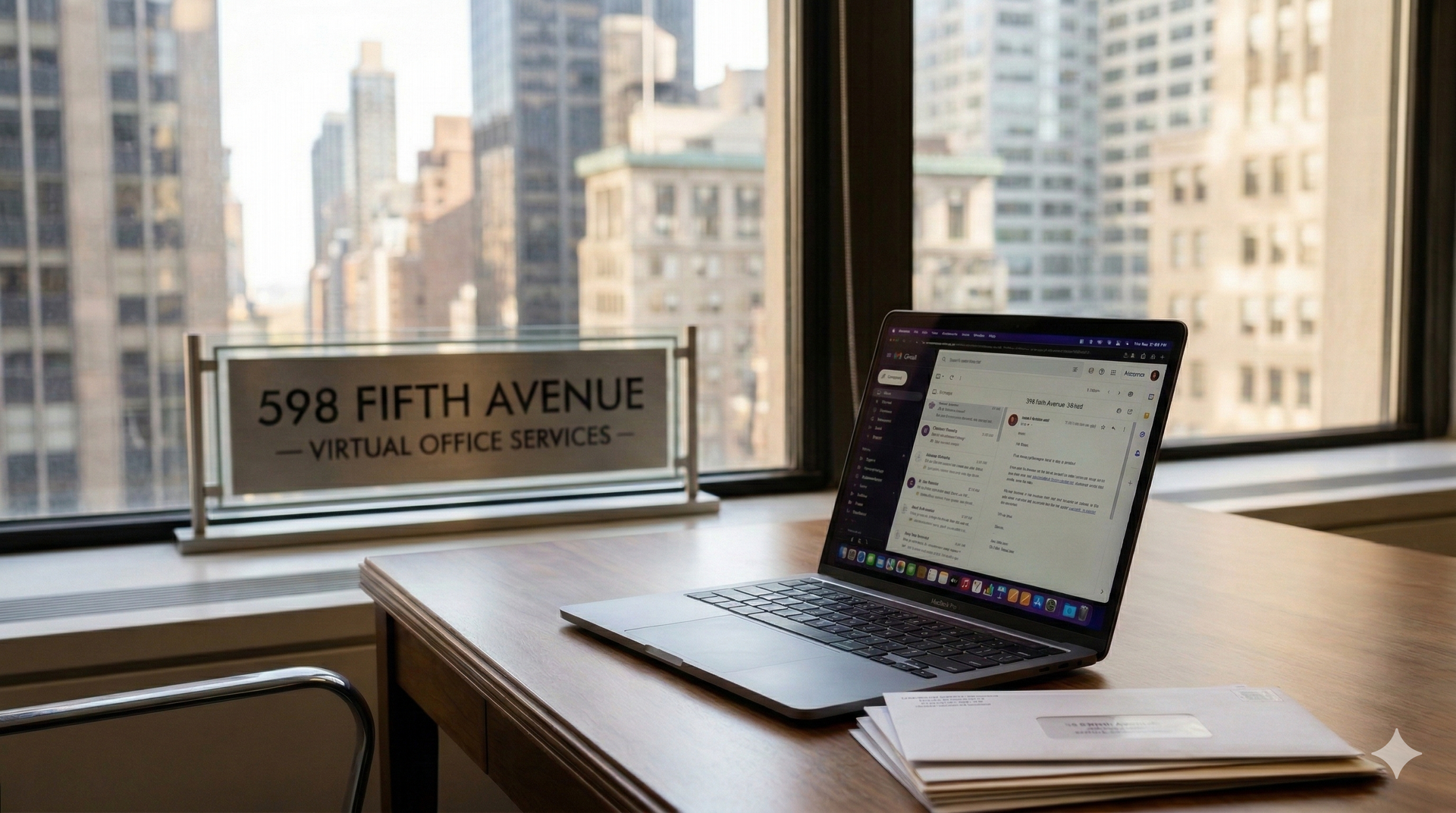
Manhattan virtual office also serves a functional need for correspondence and billing. Modern businesses are often mobile. A founder might be traveling for work or managing a team across multiple time zones. Having a centralized, stable address for all incoming mail ensures that nothing is lost. Professional services that include digital mail scanning allow a business owner to stay on top of time-sensitive documents from anywhere in the world. When a customer receives an invoice, seeing a professional business address reinforces the legitimacy of the transaction. It ensures that the administrative side of the business looks as polished as the service being provided.
Beyond the administrative benefits, a virtual office can be a critical tool for search engine visibility. For companies targeting specific geographic markets, having a verified commercial address can be a requirement for appearing in local search results and map listings. This allows a remote business to compete for local customers in a way that a home-based address simply cannot support. By establishing a local presence through a virtual office, a business can capture high-intent local traffic while maintaining the flexibility of a distributed team.
Ultimately, whether a 'Manhattan virtual office'
tm is a want or a need depends on the specific priorities of the company. A
startup might view it as a need for privacy and registration requirements, while an established firm might view it as a want for expanding into a new market with a
prestigious local presence. Many businesses find that it satisfies both roles simultaneously. It provides the infrastructure often required to operate within the legal and financial system while giving the brand the professional edge it needs to grow.
In the current economy, the
traditional office lease is becoming the exception rather than the rule. The virtual office has filled that gap by offering a scalable, flexible solution that addresses the real-world implications of where a company is registered. It allows business owners to protect their privacy, satisfy various banking requirements, and project an image of success, all without the financial burden of a physical building they may not even need.