
Learn how to identify virtual office marketing deceptions, from fake suite numbers to hidden mail drops. Protect your business banking, corporate authority, and state filings with authentic commercial workspace solutions.
Navigating the landscape of remote workspace solutions requires a clear understanding of the terminology used by address and workspace providers. As more businesses adopt flexible operational models, securing a credible corporate footprint in a top-tier metropolitan location has become essential. However, the rapidly growing demand for flexible addresses has led to widespread linguistic sleight of hand across the industry. Many storefronts and basic mail drops use elevated real estate jargon to market basic counter pickup services as fully functional corporate centers. Learning to decipher these misleading phrases is vital to protecting your business identity, maintaining seamless bank compliance, and projecting true corporate authority.
The Confusion Between a Virtual Address and a Virtual Office
One of the most frequent deceptions in the industry is marketing a virtual office address as a virtual office. On sales pages, these two terms are often conflated to trick consumers into thinking they are buying access to a physical facility. In reality, an address alone is simply a piece of paper infrastructure meant for receiving mail. A true virtual office is a physical commercial facility utilized remotely. An operational virtual office provides tangible corporate infrastructure, including access to physical office suites, dedicated conference rooms, administrative support staff, and a professional lobby environment where clients can be greeted. When a provider sells a mail-only plan under the header of a virtual office, business owners are left paying for an office that does not physically exist.
The Unique Suite Number Illusion
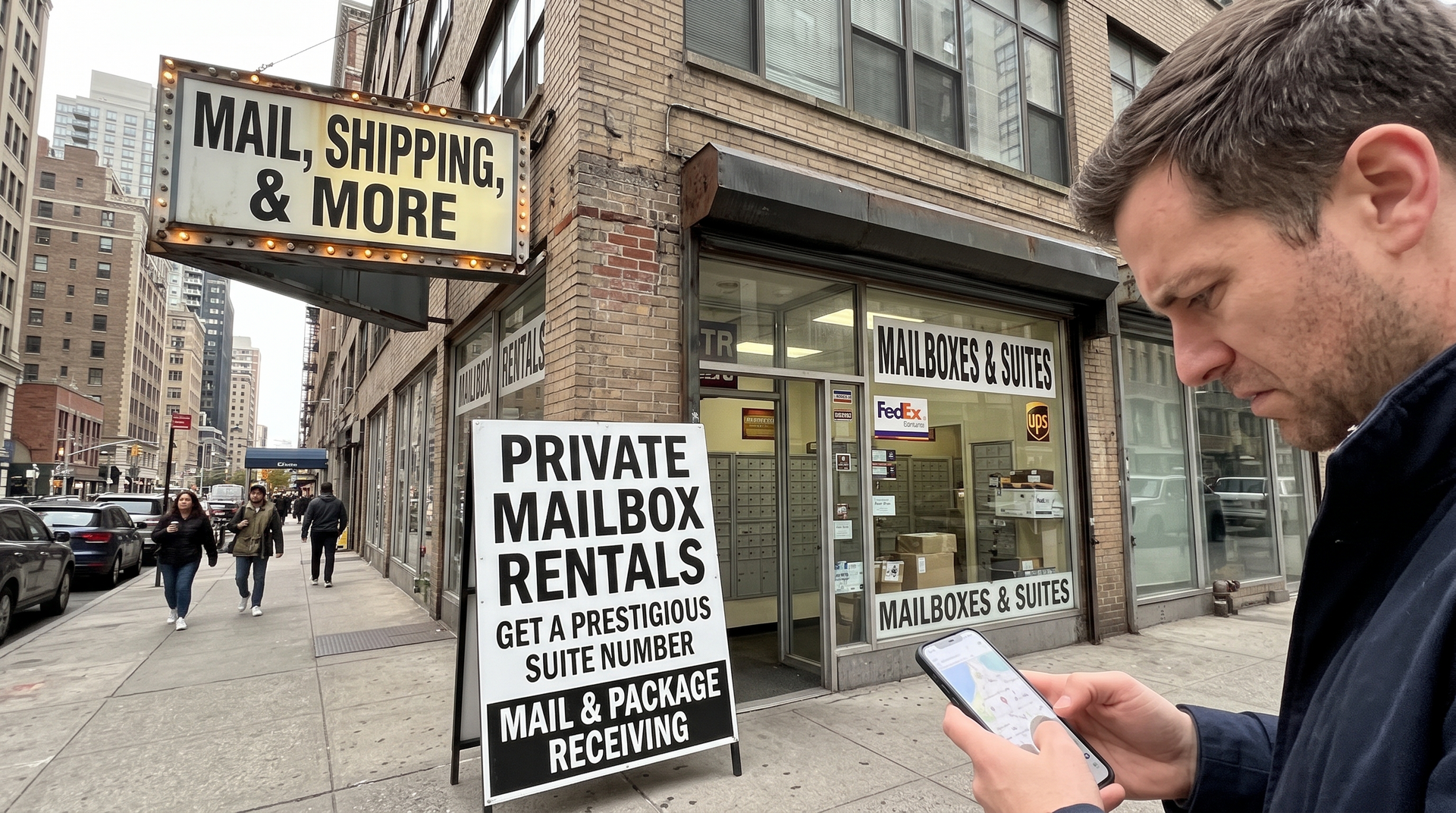
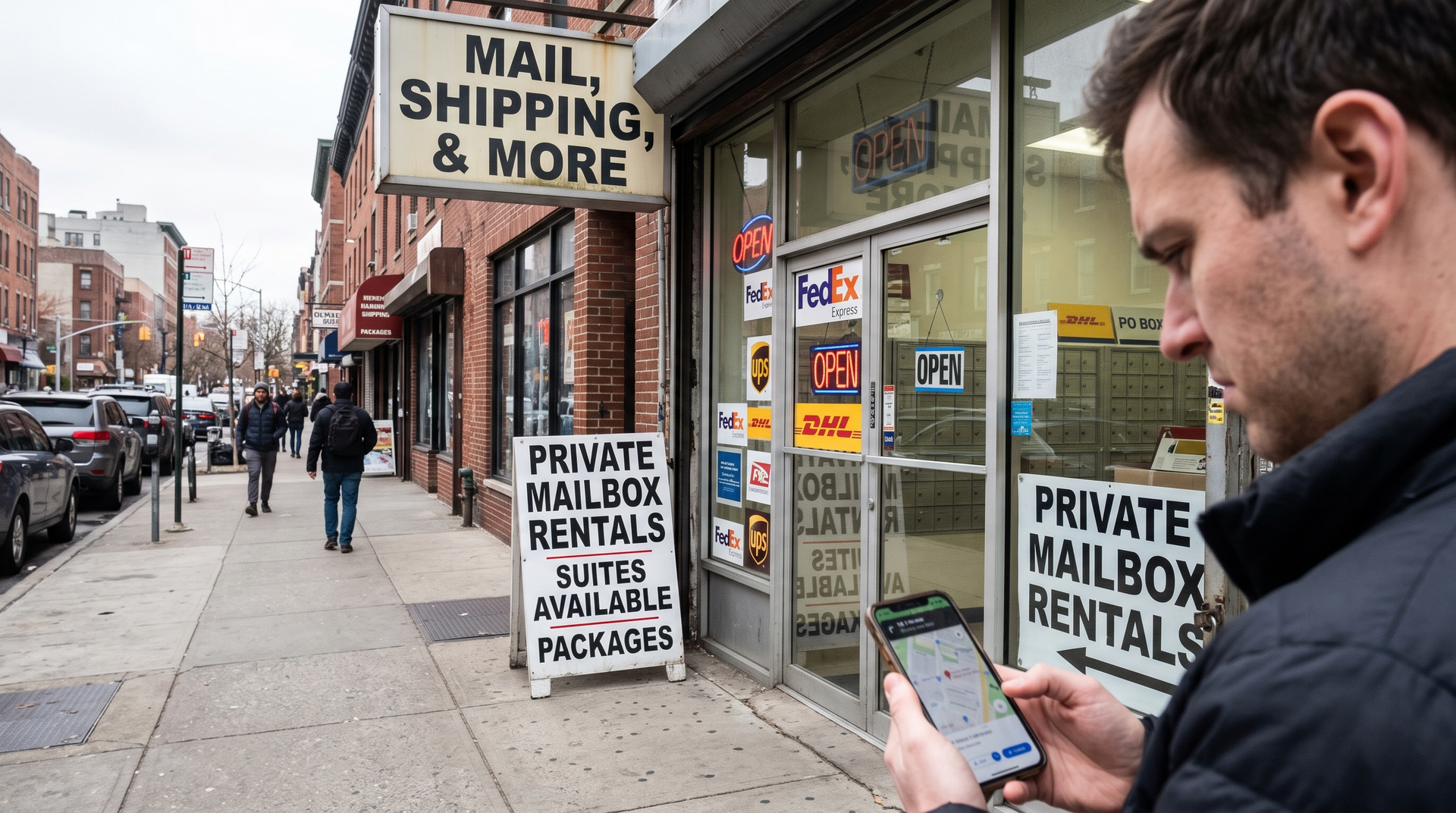
Perhaps the most problematic tactic used by basic mail drops is promising clients a unique suite number. To an unsuspecting founder, a unique suite implies that dedicated commercial square footage or a specific private office is assigned to their company. In practice, basic mail operators use unique suite numbers as an automated digital sorting trick to direct incoming mail into a six-inch metal box on a wall grid.
This practice carries severe real-world consequences. Financial institutions, state licensing boards, and regulatory bodies continuously cross-reference business addresses with national postal databases. When an address is flagged as a Commercial Mail Receiving Agency, passing off a mailbox slot as a physical suite can trigger immediate compliance holds, delayed account openings, and rejected merchant processing applications. Furthermore, if an investor or client visits the location expecting an executive floor, walking into a wall of mailboxes severely undermines brand trust.
At a Glance: Authentic Virtual Office vs. Mailbox Drop
| Feature / Criteria | Authentic Virtual Office | Basic Mailbox Drop |
|---|---|---|
| Physical Suite Door | Real door in a commercial office building you can step inside. | Does not exist; internal software shorthand for a box slot. |
| Meeting & Conference Space | On-site, bookable physical rooms for client & team meetings. | None; counter pickup only. |
| Banking & State Verification | Passes CMRA & regulatory checks for true commercial space. | Frequently flagged as a Commercial Mail Receiving Agency (PMB). |
| Walk-In Client Presence | Professional lobby, reception staff, and client greeting areas. | Counter attendant handing out envelopes in a room of wall boxes. |
| Business Purpose | Operational physical workspace utilized remotely. | Mail collection and package holding only. |
Dissecting the Corporate Mailbox Disguise
Another widespread tactic is tiering basic mail services under labels like Personal, Business, and Corporate. These multi-tiered offerings create the impression that higher-priced plans unlock access to sophisticated corporate infrastructure, day desks, or administrative assistance. In reality, upgrading to a corporate tier at a basic mail drop typically means nothing more than permission to list additional business entities on a single mailbox slot or receive a higher monthly volume of envelopes. It is a volume-based shipping tier disguised as corporate office access.
The Misleading Reality of Walk-In Service Claims
Many basic address sellers highlight walk-in service or extended pickup hours in their promotional materials. To an entrepreneur evaluating options, walk-in service sounds like an open, accessible business center where founders can drop in, access high-speed internet, host a quick client check-in, or sit down in a professional waiting area. In a basic mail setting, walk-in service strictly refers to standing at a counter to collect physical paper mail from an attendant. Lacking dedicated client lounges or reception areas, these facilities offer no workspace utility beyond basic parcel handoffs.
The Price of Instant Setup Without Overhead
Promotions promising no long-term contracts and instant setup online often appeal to cost-conscious startups. While speed and affordability are key considerations, providers operating at cut-rate pricing models can only do so because they hold zero real estate overhead. They do not maintain physical commercial leases, pay for dedicated reception staff, or invest in real office infrastructure. Authentic virtual office centers maintain real physical square footage, carry master commercial leases, and invest in on-site staff to ensure that when your business needs a physical presence, a real office is waiting for you.
How to Verify Authentic Business Infrastructure
To protect your brand from marketing tricks, evaluate potential providers by asking targeted operational questions. First, ask whether your team can physically step inside the suite door associated with your address to host a meeting or work. Second, verify whether the location features a physical reception area, real conference rooms, and staff dedicated to managing client visits. Choosing a transparent, infrastructure-backed provider ensures that your company maintains total regulatory compliance while building an unshakeable corporate foundation.
The Virtual Office Standard: Authority Since 1990
Navigating the nuances of commercial address representation requires a partner built on transparency, physical infrastructure, and long-term integrity. Manhattan Virtual Office™ has been a pioneer in the industry for over 36 years. Since our inception in 1990, we have been dedicated to providing entrepreneurs and startups worldwide with an accessible, prestigious professional presence. We believe that a world-class business identity should be available to everyone, which is why we offer economically priced solutions that bridge the gap between remote flexibility and corporate prestige. When you partner with us, you are leveraging decades of expertise from a New York institution committed to your global success.